
A dog whose physiological and behavioral needs are met rigorously develops fewer chronic pathologies and poses fewer cohabitation problems. Taking care of your dog on a daily basis is not just about feeding and walking them: it involves a keen reading of their signals, a structured health follow-up, and an understanding of the legal obligations surrounding pet ownership in France.
Bite monitoring protocol and unknown legal obligations
In France, after a dog bite, a mandatory veterinary protocol is initiated. The biting dog must be presented to a veterinarian within 24 hours of the incident, followed by three veterinary visits spread over fifteen days (at D0/D1, D+7, and D+15). This protocol aims to eliminate any risk of rabies, even in a vaccinated animal.
The 2021 animal welfare law has strengthened criminal penalties for negligent owners. The obligations include appropriate feeding, permanent access to water, suitable housing, and necessary veterinary care. Serious abuse or acts of barbarism are punishable by five years in prison.
Dog feeding: adjusting the ration according to age and activity
The choice of kibble is not limited to the brand. The protein composition, fat content, and fiber level must match the animal’s physiological stage. A growing puppy, an active adult, and a senior dog have different metabolic needs.
Among the resources from Amazing Pet Place for dogs, there are detailed guides to adjust the ration according to the animal’s profile, which helps avoid common mistakes of overfeeding or deficiencies.
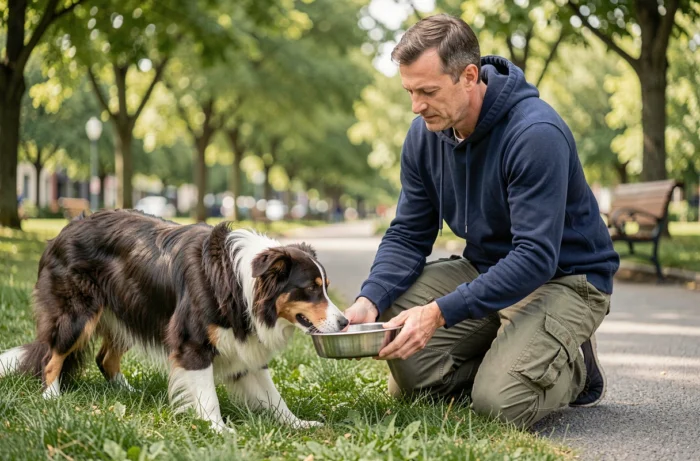
A dog fed with kibble unsuitable for its age develops chronic digestive disorders. Treats, often given without restraint, represent an underestimated caloric intake. Favoring those with a mechanical function (chew treats for dental hygiene) remains a good practice.
- Check the protein/fat ratio on the label: a medium-sized adult dog needs a higher protein level than carbohydrates
- Adjust meal frequency according to age: two meals a day for an adult, more for a growing puppy
- Weigh the ration rather than measuring it by volume, as density varies by kibble brand
Dog oral and ear hygiene
The oral cavity is the first neglected infectious site in dogs. Weekly brushing with a soft brush and veterinary enzymatic toothpaste significantly reduces the risk of periodontal disease.
Chew bones and dental strips complement brushing but do not replace it. Their mechanical action helps limit plaque, provided that appropriately sized products are chosen to avoid choking or dental fracture risks.
Ears deserve special attention in breeds with floppy ears (Cocker, Basset, Cavalier King Charles). Moisture trapped in the ear canal promotes yeast infections. Cleaning with a veterinary ear solution once a week is sufficient in the absence of pathology.
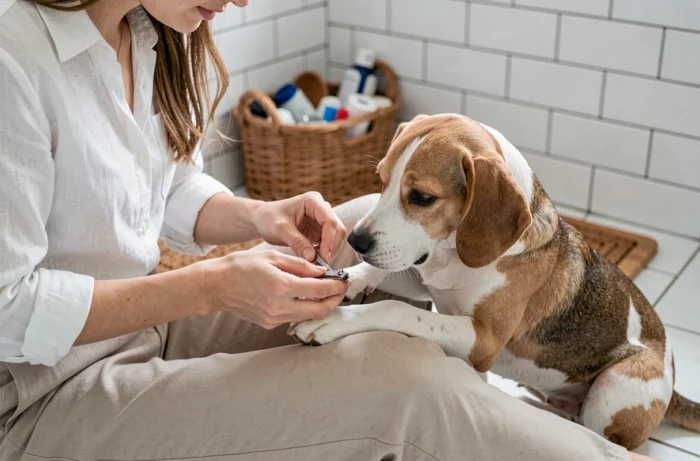
Dog behavior: detecting warning signals daily
A change in behavior is often the first sign of a health problem. Sudden lethargy, excessive licking of a body area, or unusual aggression signal physical or psychological discomfort. Any prolonged refusal to eat warrants a veterinary consultation.
Mental stimulation is an often underestimated aspect. Incorporating scent search exercises into the daily routine allows the dog to tire mentally as well as physically, with a short effort.
- Observe resting posture: a dog that frequently changes position may suffer from joint pain
- Monitor the consistency and frequency of stools, direct indicators of digestive quality
- Note any changes in water consumption, as excessive thirst may signal diabetes or kidney failure
Structured veterinary follow-up and digital tools
Veterinary follow-up is not limited to the annual vaccination reminder. A regular blood test in aging dogs helps identify dysfunctions before visible symptoms appear. Veterinary clinics now offer mobile applications with appointment reminders, digital health records, and access to test results.
Teleconsultation is growing and provides an option for non-urgent situations, especially to evaluate a skin symptom or seek advice on a dietary change. It does not replace a clinical examination, but it helps triage situations and avoid unnecessary trips.
The pet cosmetics market (shampoos, balms, wipes) is rapidly expanding. It is essential to always check that the product is formulated for canine skin pH, as it differs from human pH. A human shampoo, even gentle, disrupts the dog’s skin flora and promotes dermatitis.
Daily care for a dog relies on methodical observation and repeated technical gestures. French legal obligations set a minimal framework that, when well applied, protects both the animal and its owner. Each breed and individual presents specific characteristics that justify a personalized care protocol rather than a list of generic advice.