
Leisure activity lists to try during free time often look similar: cooking, reading, walking, meditation. However, the leisure activity market is evolving under the influence of ecological concerns, a growing need for digital disconnection, and new hybrid sports practices.
Disconnected Leisure: Slow Camping and Voluntary Digital Break
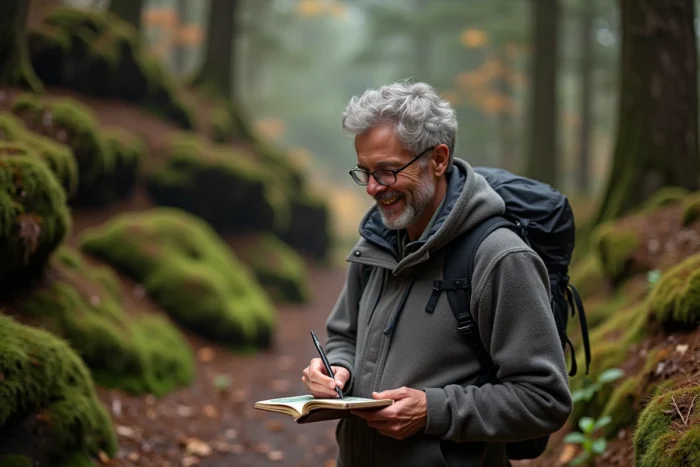
Most leisure guides focus on what you can do, not on the conditions under which to practice an activity. It is in this area that the trend of slow camping has taken root.
By 2026, chains like Sunêlia promote a camping model based on the voluntary absence of Wi-Fi, limited scheduled activities, and a preserved environment. Comfort remains, but the stated goal is to break away from “XXL” campgrounds saturated with stimuli.
This shift reflects a broader change. Voluntary disconnection is becoming a central argument for certain leisure activities, not a disadvantage suffered. Some campers appreciate the radical calm, while others find the total absence of network constraints, especially for families with teenagers. Before booking this type of stay, it may be useful to explore leisure options on Aipdb to compare available formats and identify what meets your actual expectations.
Eco-Friendly Creative Leisure: Upcycling and Recycled Materials
Creative activities appear on all leisure lists. However, the sector is undergoing a notable ecological transformation. In 2026, sector analyses on creative leisure in France report a clear rise in eco-friendly and responsible DIY.
This evolution involves the use of recycled or biodegradable materials in sewing, pottery, or decoration workshops. Upcycling (transforming a used object into something new) is no longer a militant niche. It now structures the offerings of many urban workshops.
This evolution also changes how one chooses a creative workshop. Criteria are no longer limited to the type of technique taught. Several elements deserve to be checked:
- The origin of the materials used during the course (recycled, local, new imports)
- The format of the workshop: single introductory session or progressive cycle over several weeks
- The possibility of leaving with a finished object, which changes the experience for beginners
The available data do not allow us to conclude whether this ecological trend is actually increasing attendance at workshops or simply redistributing the existing clientele towards new formats.
Hybrid Sports Activities: Between Outdoor and Urban Sports
The landscape of sports leisure is fragmenting. The outdoor practices that are progressing in 2026 are no longer just hiking or classic cycling. Activities like enduro mountain biking, trail running, or natural obstacle courses attract an audience looking to combine physical effort and immersion in nature.
At the same time, the regulatory framework is evolving. The Court of Cassation has recently expanded the liability of organizers of sports and leisure activities, prompting hosting structures to strengthen their safety protocols. For participants, this translates into longer briefings and sometimes smaller groups.
Another evolution to watch: gyms without coaches are subject to regulatory discussions. Proposals aim to more strictly regulate these freely accessible spaces, which could change the available offerings in the coming months.
Free Time and Collective Games Without Equipment: A Return to the Tangible
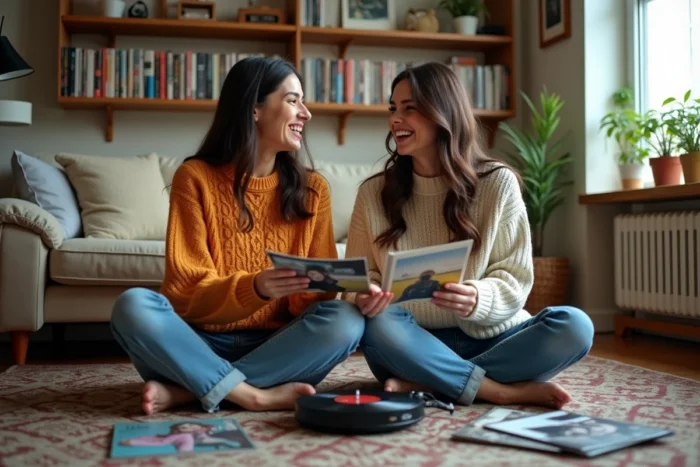
In the face of digital saturation, collective games without equipment are experiencing a resurgence of interest. These are not new leisure activities, but their re-emphasis in educational, family, and professional contexts (outdoor seminars, neighborhood activities) deserves to be noted.
The appeal of these activities lies in their accessibility. No equipment to buy, no prior technical skills required, no dedicated location. A park, a garden, or a courtyard is sufficient. Formats vary:
- Chasing or team strategy games, adaptable to all ages
- Timed collaborative challenges, used in team building as well as family activities
- Outdoor observation or memory games, combining light physical activity and cognitive stimulation
The zero cost and lack of logistics make these activities particularly suitable for contexts where the leisure budget is limited. However, their longevity in daily routines remains an open question: initial enthusiasm sometimes fades quickly without renewal of the proposed formats.
E-sports and Competitive Digital Leisure: A Structuring Framework
E-sports in France now has a specific regulatory framework. French regulations govern video game competitions, the conditions for organizing tournaments, and the status of professional players. It is no longer an informal leisure activity practiced solely in teenagers’ bedrooms.
For enthusiasts, this structuring has concrete effects. Local tournaments are multiplying with clearer rules regarding registrations, prizes, and supervision. Local authorities are incorporating e-sports into their youth animation programs, as shown by recent initiatives in Haut-Languedoc where young people are engaged in projects that include digital and sports elements.
The boundary between leisure and competition remains blurred in this field. Data on the actual number of regular participants in France lack granularity, making it difficult to assert the exact scale of the phenomenon beyond media-covered competitions.
Free time does not need to be filled at all costs. Recent developments show that the quality of the experience takes precedence over the quantity of activities, whether in a network-free campground, a pottery workshop with recycled materials, or a local e-sports tournament. Calm, community, competition, or a break from routine: clarifying this preference before choosing helps avoid disappointments.