
A farewell message to a friend is based on a simple structure: gratitude, shared memory, sincere wish for the future. The text gains impact when it evokes a specific moment rather than a generic phrase. Here are twenty concrete examples, adapted to various situations, to find the right words at the time of departure.
Writing a farewell message to a friend requires choosing a tone that matches the relationship: playful, tender, light, or solemn. The examples below each cover a different register or context, from moving to a career change.
1. The message that recalls a specific memory

“Do you remember that night when we missed the last bus and walked for two hours in the rain laughing? That’s exactly the kind of moment I’m taking with me. Safe travels, and keep your umbrella.”
Anchoring the message in a concrete and shared memory gives the text an emotional weight that generic phrases cannot reach. This type of message works regardless of the reason for departure.
2. The short message for a last-minute SMS

“Three words: I’m going to miss you. Text me as soon as you arrive.”
Brevity is not a flaw. A short and sincere farewell message is enough when the bond is strong. The medium (SMS, instant messaging) justifies this conciseness.
3. The tender message for a childhood friend

“We grew up together, shared laughter, secrets, and stolen snacks. You’re leaving, but none of that disappears. I will always be your accomplice, even from afar.”
For a long-standing friendship, recalling the milestones you’ve shared gives the text depth. The tone is affectionate without being dramatic.
4. The humorous message to lighten the mood

“If you think moving to the other side of the country will get rid of me, you don’t know me well. Prepare the guest room.”
Humor lightens the separation and fits playful friendships. This tone is suitable when the friend is leaving for a positive reason (relocation, adventure, studies).
5. The encouraging message for a new professional start
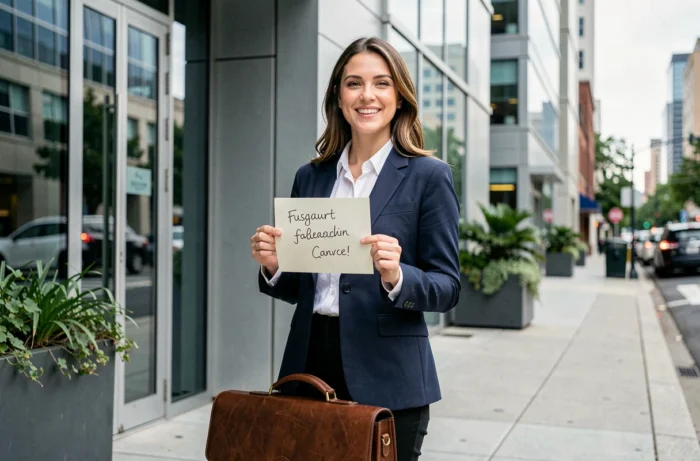
“This new company is lucky to have you. You’re going to show them what you can do, just like you’ve always done here. I’m proud of you.”
When the departure is related to a professional evolution, the message benefits from highlighting the friend’s skills rather than emphasizing the sadness of the separation.
6. The message that opens the door to future connection

“This is not goodbye, it’s see you soon. Let’s plan a weekend as soon as you’re settled, and this time I’ll take the train.”
A farewell message thought of as an opening to stay in touch reassures and maintains the connection. Proposing a concrete plan (visit, call, date) transforms the promise into a real commitment.
7. The poetic message for a sensitive friend

“Distances change nothing to the roots. Ours are too deep for a move to uproot them. Take care of yourself over there, I’ll keep the light on here.”
The poetic register suits introspective friendships. The image of roots avoids the cliché of distance bringing people closer.
8. The simple gratitude message

“Thank you for everything. For the evenings, the advice, the silences too. You made these years better than they would have been without you.”
The three-part structure (gratitude, memory, wish) remains the most effective for a farewell message. Here, gratitude takes up all the space, and that is enough.
9. The message for a departure abroad
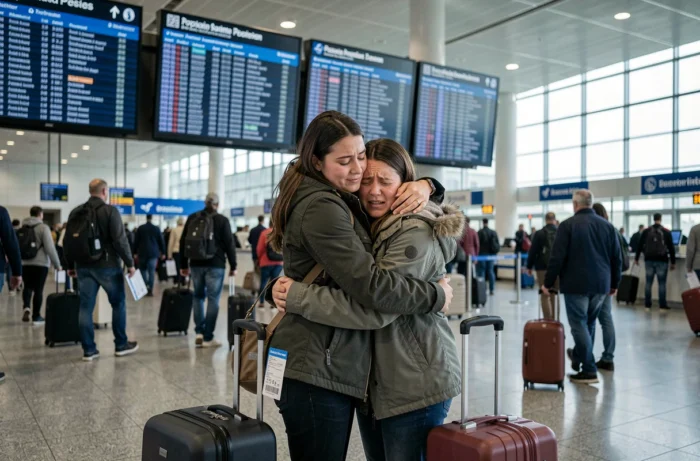
“You’re going to discover another country, another language, another life. But your Southern accent will remain the same, and that’s reassuring. Call me when the time difference allows.”
Personalizing the message with a distinctive trait of the friend (accent, habit, quirk) enhances the authenticity of the text.
10. The collective message for a group of friends

“On behalf of the whole gang: we won’t be complete on Saturday nights anymore, and it’s going to be felt. We already miss you. Come back soon, your place is reserved.”
In a group message, speaking on behalf of the collective gives weight to the farewell. The tone remains warm without becoming too intimate.
11. The nostalgic message without excess

“I still can’t believe you’re leaving. But I prefer to remember everything we’ve experienced rather than dwell on what’s changing. See you soon.”
Nostalgia works in small doses. This message acknowledges the emotion without getting bogged down in it, and ends on a positive note.
12. The message for a friend who is leaving with a partner

“You’re leaving to build your life elsewhere, and that’s beautiful. But tell your boyfriend not to monopolize you too much: I still need my evenings with you.”
When the departure is part of a couple’s project, the message can address this reality lightly while reaffirming the place of friendship.
13. The formal message for a written card

“Dear [First Name], your departure leaves a void that words struggle to fill. I wish you the best in this new chapter. With all my affection.”
The paper medium calls for a slightly more formal register. This wording is suitable for a card slipped into a farewell gift.
14. The message for a friend returning to studies

“Going back to college at your age is brave. You’re going to crush it, I’m sure. And if you need someone to proofread your essays, you know where to find me.”
Acknowledging the courage of the decision, then offering concrete support: this framework values the friend and keeps the connection active.
15. The minimalist message to slip into a bouquet

“Leave in peace. I’m here. Always.”
Three phrases are enough on a small card. Minimalism works when the gesture (flowers, gift) speaks as much as the words.
16. The message for a friend going through a breakup

“You’re leaving this city to start over, and I think that’s courageous. You deserve this new beginning. I’ll be just a phone call away whenever you need me.”
When the departure follows a hardship, the message avoids revisiting the cause and focuses on the future. The promise of availability matters more than analyzing the situation.
17. The message with a personalized quote

“They say true friends are those you find unchanged after months of silence. I intend to test this theory with you. Best wishes.”
Rephrasing a well-known idea in your own words avoids the generic quote copy-paste and gives a personal touch to the message.
18. The transcribed voice message

“I’m sending you this message because I know I’ll cry if I say it to your face. You mean a lot to me. This departure doesn’t change that.”
Embracing raw emotion, without staging, provides a authenticity that crafted phrases cannot reach. This format suits those who express themselves better in writing than verbally.
19. The practical message that shows thoughtfulness

“I’ve prepared a list of nice restaurants, parks, and cafés in your new city. Try them out and let me know which ones are worth it. First report expected in two weeks.”
A message that offers concrete help extends the friendship beyond words. The light tone transforms the farewell into the beginning of a conversation.
20. The farewell message that doesn’t say goodbye

“I refuse to say goodbye. So I’ll say: see you next time. And the next time is soon.”
Ending with a symbolic refusal of goodbye is a way to close the message without shutting the door. This tone suits strong friendships that are not afraid of distance.
The common thread of these twenty examples remains the same: a farewell message to a friend gains strength when it is anchored in a true detail, a sincere tone, and an open door left ajar. The best text will be the one that the friend rereads six months later with the same smile.